Great questions from south of the Mason-Dixon Line

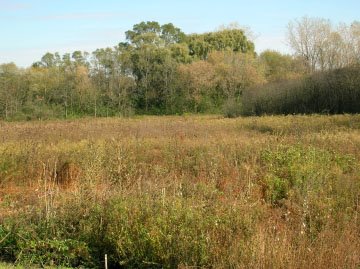
Bluff Spring Fen
My recent post about Gladstone Fen prompted some of great questions from a couple of my good ol' boy readers (though I think Valown is a transplant to the South and may not be eligible for good ol' boy status. But then I'm about as Yankee as you can get, so I know little of these matters).
From North Carolina, Valown asks:
- I've read that Fens are usually wet. What normally keeps them clear of shrubs and trees? I would think fire. But you would have to have a cycle that would include a dry period. Is that true, and is fire suppression the culprit there for these areas being overgrown? If you've covered this already in another post point me in that direction.
From Pure Florida, FC wonders:
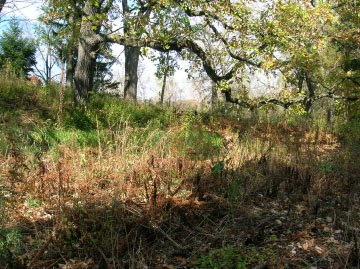
So, is this fen a natural feature?The fen is a natural feature. It's been around since the end of the last ice age. We know that the areas where we are removing trees from were open wetland rather than woodland because the soil in that area is saturated peat rather than loam. You can often tell areas where trees have invatded an open wetland follwoing fire suppression. The soil can't support the weight of many of the trees and they topple over. Sometimes this results in J-shaped trees. The base slowly falls over and the crown growth keeps curving upwards (sorry, no pics of that). So although many of the tree species here are native to this region, they are native invasives that that displace the fen ecosystem as a result of fire suppression.
It seems to take a lot of management and removal of invasive trees to maintain it.
Are the trees nonnative?
Regarding your second question, most of us here differentiate between restoration and management. Restoration (in this case tree and brush clearing, as well as any activities needed to coax the native plant community along) is very labor intensive. Management typically involves periodic application of prescribed fire and is much less work. At Bluff Spring Fen, where I do most of my stewardship work, the majority of the fen wetlands are now maintained by fire only. This is typically our goal when we restore a bit of land.
Labels: Bluff Spring Fen, Conservation, Gladstone Fen, Prairie Burn, Prairie Restoration
posted by Doug Taron @ 10:36
8 comments